5 Lessons That Helped Me Stop Fearing the Linux Terminal (Thanks to AI)
Introduction
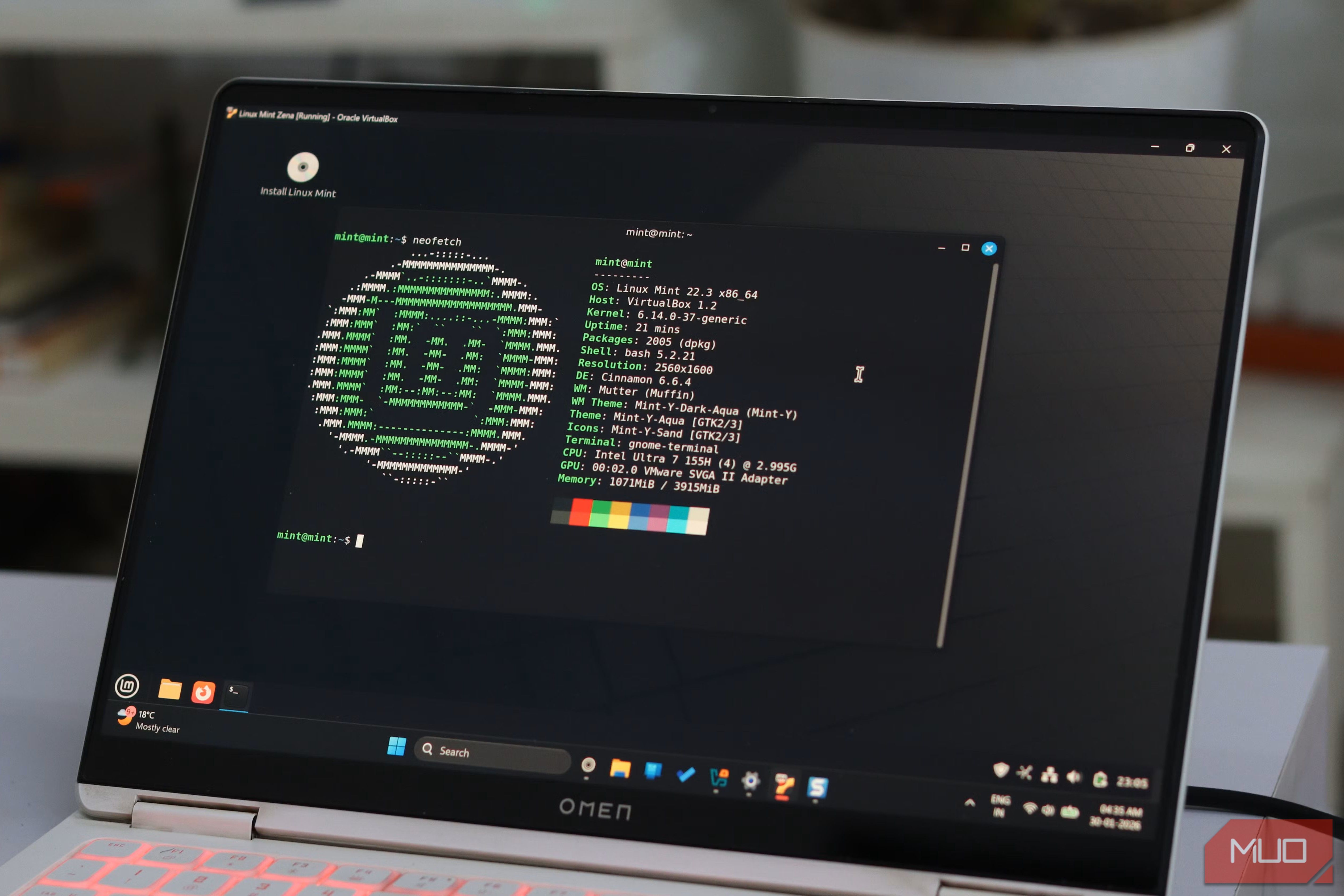
When I decided to turn my RUST-server mini PC into a full-blown Linux machine running Linux Mint, I braced myself for a steep learning curve. To my surprise, the transition from Windows 11 wasn't nearly as painful as I expected. Yet, one thing still gave me pause: the terminal. Friends had warned me I'd need to memorize cryptic commands, and the blinking cursor felt like a gateway to disaster. Then I started using Claude, an AI assistant, to explain every command before I typed it. Suddenly, the terminal went from terrifying to approachable. Here are five key lessons I learned along the way—each one a step toward mastering the command line without fear.
1. Understand What Each Command Actually Does
One of the biggest mental blocks I faced was typing commands without truly understanding their effects. In Windows, you click icons and trust the system. In Linux, a single command like rm -rf can wipe your entire home directory if misused. Claude changed that by breaking down every part of a command: the program name, flags, and arguments. For example, when I needed to delete old log files, Claude explained that rm -rf /var/log/*.log means remove recursively and forcefully all files ending in .log in the /var/log directory. Once I knew the logic, I felt much safer experimenting. Try asking an AI to explain a command's syntax before you run it—it turns guesswork into learning.
2. Start with Simple, Low-Risk Tasks
I didn't jump straight into system administration. Instead, I used the terminal for harmless tasks like navigating directories (cd), listing files (ls -la), or checking disk usage (df -h). Each time, I'd first paste the command into Claude and ask, "What will this do?" The AI's plain-English explanations gave me confidence. For instance, when I wanted to copy a file, Claude showed me that cp source.txt dest/ simply duplicates the file to a new location—no risk of deleting anything. Over a week, I built a repertoire of safe commands, and the terminal began feeling like a tool rather than a trap. Starting small is the key to building trust with the command line.
3. Learn to Read (and Write) Man Pages with AI
The traditional way to learn a command is to type man command, but man pages can be dense and filled with jargon. I found that Claude could summarize a man page in seconds, highlighting only the options I needed. For example, when I wanted to customize my grep searches, Claude explained the -i flag for case-insensitive matching and the -r flag for recursive searches. Even better, I could ask it to generate a simple cheat sheet for any command. This shortcut saved hours of reading and made me more willing to explore advanced features. Try asking an AI, "Give me the three most useful flags for command X"—you'll learn faster than slogging through a manual.

4. Embrace the Power of Aliases and Scripts
Once I was comfortable with basic commands, I wanted to automate repetitive tasks. Writing my first bash script felt intimidating, but Claude held my hand through the process. I described what I wanted—like renaming a batch of files—and Claude produced a script with comments explaining each line. I then ran it in a test directory before applying it to real data. The AI also taught me to create permanent aliases (e.g., alias ll='ls -lah') so I never had to type long commands again. This step transformed the terminal from a chore into a productivity powerhouse. Start with a one-line script, run it through Claude for safety checks, and gradually increase complexity.
5. Build a Safety Net with Dry Runs and Backups
The fear of accidentally breaking something never fully disappears, but I learned to mitigate it. Claude showed me how to use dry run flags (like --dry-run in rsync or find) to preview an action without executing it. I also got into the habit of backing up critical files before running unfamiliar commands—a practice Claude reminded me of every time. For example, before using sed to modify a configuration file, I'd first ask Claude to simulate the changes. This approach turned potential disasters into learning exercises. Now, I always include a backup step in my workflow, and the terminal no longer keeps me up at night.
Conclusion
Switching from Windows to Linux doesn't have to mean mastering an arcane terminal. By using AI like Claude to explain, test, and guide each command, I turned my biggest fear into my greatest asset. The terminal is now a place of exploration, not anxiety. Whether you're copying files, writing scripts, or managing a server, let an AI be your translator. Start with one lesson from this list, and you'll soon wonder why you ever feared the blinking cursor. The command line is just another tool—and with a little help, it's one you can confidently wield.
Related Articles
- Gateway API v1.5: Six Key Features Move to Stable – Everything You Need to Know
- Culture, Not Code, Blamed for Failed AI Deployments as $37B in Spending Falls Short of Expectations
- Rails Developers Urged to Shape Industry's Future: 2026 Community Survey Launches
- 6 Ways Airbyte Agents Is Solving AI’s Data Problem
- Elevate Your Outdoor Adventures with the JBL Clip 5: Compact Power at an Unbeatable Price
- Microsoft Overhauls Windows 11 Run Menu: Dark Mode, New Commands in Insider Test
- 5 Key Takeaways from the Santa Marta Summit and Global Climate Updates
- Freelancer's 'Payment-Gated' File Delivery Could End Invoice Chasing Forever