OpenAI Debuts Daybreak: AI-Powered Cybersecurity Platform Leveraging GPT-5.5 to Hunt Software Flaws
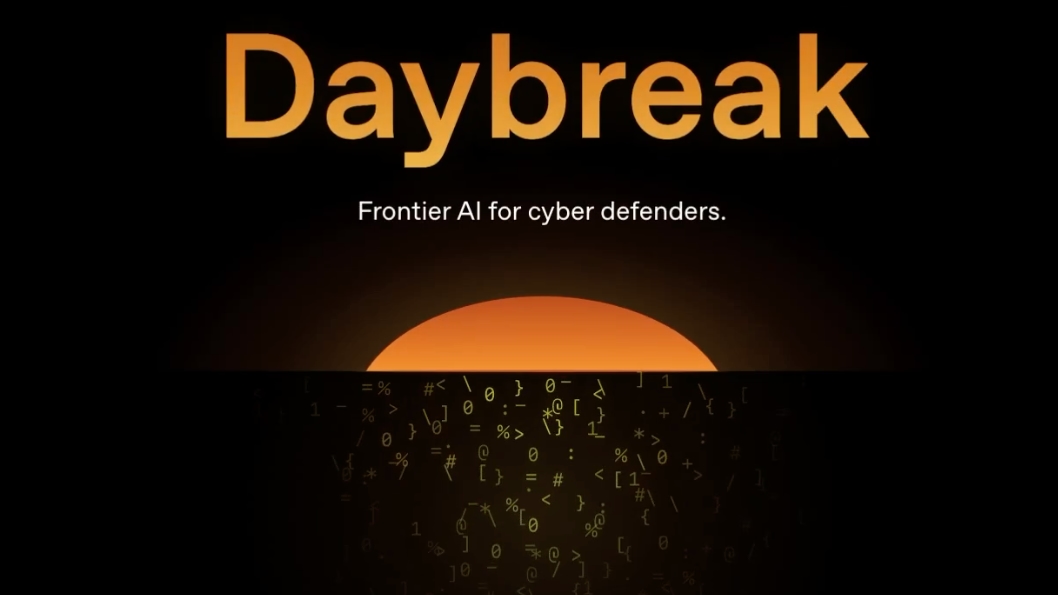
OpenAI has launched Daybreak, a new cybersecurity platform designed to proactively identify and patch software vulnerabilities using its latest GPT-5.5 model family. The move directly challenges Anthropic's Project Glasswing, positioning Daybreak as a defensive tool for developers.
Background
Daybreak builds on OpenAI's April launch of GPT-5.4-Cyber, which the company claims has already helped fix over 3,000 vulnerabilities. The new platform extends that capability by adding agentic harnesses from Codex and partnerships across what OpenAI calls the "security flywheel."
OpenAI's initiative directly competes with Anthropic's Project Glasswing, which has been adopted by Apple, Microsoft, Google, and Amazon. Several companies have already signed on to Anthropic's program, intensifying the race for AI-driven cyber defense.
Key Features and Availability
Daybreak leverages Codex Security to automatically build a dynamic threat model from a company's codebase. It then continuously monitors for high-risk vulnerabilities, allowing engineers to investigate issues in a sandboxed environment.
Companies can request a Daybreak assessment from OpenAI, which includes a vulnerability scan. Pricing remains undisclosed.
Three Models, One Mission
OpenAI offers three tiers of GPT-5.5 for Daybreak. Standard GPT-5.5 includes general safeguards for broad use. GPT-5.5 with Trusted Access for Cyber is designed for verified defensive work in authorized environments.
GPT-5.5-Cyber features stronger verification and account-level controls for specialized authorized workflows. This tiered approach aims to balance security with usability.
CEO Sam Altman's Vision
OpenAI CEO Sam Altman emphasized the company's ambition. "We would like to work with as many companies as possible to help them continuously secure their software against cyber threats," Altman said.
This statement underscores OpenAI's push to make cyber defense a built-in feature rather than an afterthought. Defenders can bring secure code review, threat modeling, patch validation, dependency risk analysis, detection, and remediation guidance into the everyday development loop.
What This Means for the Industry
Daybreak signals a shift from reactive patching to proactive, AI-driven security from the start. By automating threat modeling and vulnerability scanning, OpenAI hopes to reduce the window of exposure for critical flaws.
However, the lack of transparent pricing and reliance on proprietary models may raise adoption concerns among enterprises. Industry analysts note that the success of Daybreak will depend on its ability to integrate seamlessly into existing workflows.
Looking Ahead
OpenAI is working with industry and government partners ahead of deploying more capable cyber models in the future. As the AI arms race in cybersecurity intensifies, Daybreak could become a cornerstone of modern defense strategies.
Internal Links
Related Articles
- Understanding MCP Servers: A Beginner's Guide
- Anne Hathaway's Andy Sachs Spent a Decade as a Globe-Trotting Journalist Between 'Devil Wears Prada' Movies
- The Share the American Dream Pledge: A Comprehensive Philanthropic Initiative
- Apple Glasses and Hand Gestures: What the Rumors Suggest
- The AI Wealth Boom: How 10,000 Engineers Reached Retirement Riches While Others Struggle
- Windows 11 Interface Overhaul: How to Master the New Start Menu and Taskbar Fixes
- Facebook Reels Rolls Out 'Friend Bubbles' Feature After Months of Hidden Engineering
- Inside the Tech Revolution: How Unreal Engine Transformed Disney's Buzz Lightyear Ride