6 Things You Need to Know About the iPhone Pro Display Brightness Roadblock
Recent reports from a well-known Chinese leaker have dashed hopes for a dramatically brighter iPhone display anytime soon. The leak, attributed to the account "Instant Digital" on Weibo, suggests that Apple's thermal management challenges and a delayed dual-layer OLED rollout mean the iPhone 18 Pro—and likely later models—will not deliver the sustained peak brightness users crave. Here are six essential facts that explain the current state and future of iPhone Pro display brightness.
1. iPhone 18 Pro Will Not Get Dual-Layer OLED
Instant Digital explicitly stated that the iPhone 18 Pro "definitely won't have" dual-layer OLED technology. This technique stacks two organic light-emitting layers to boost brightness while reducing heat. The leaker added that Apple's existing thermal throttling strategy remains a limiting factor for outdoor brightness. Without a shift in that strategy, dual-layer OLED seems like the only viable path to meaningful gains—but it won't arrive for the iPhone 18 Pro. Users hoping for a major leap in screen luminance next generation will be disappointed.
2. Thermal Throttling Remains the Core Problem
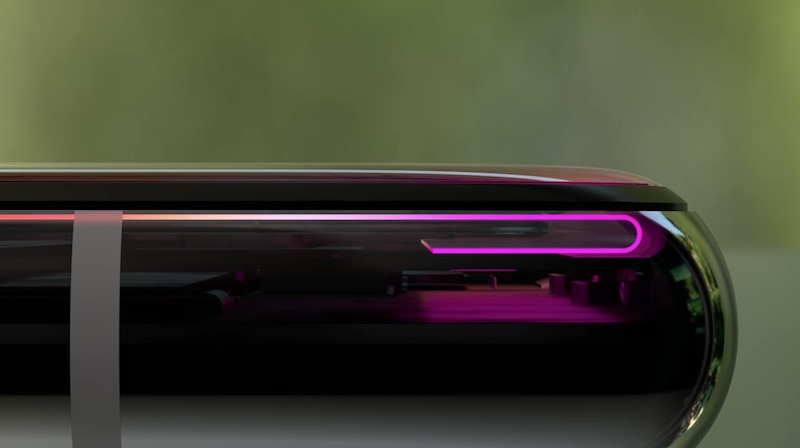
Instant Digital reflected on last year's predictions, noting that the iPhone 17 Pro made little progress in maintaining peak brightness outdoors. The culprit: Apple's thermal throttling algorithm, which dims the display when the device gets hot. The leaker emphasized that without a complete overhaul of how Apple manages heat, dual-layer OLED is the only way to achieve a real-world brightness improvement. This underscores that thermal constraints, not panel capability, are the main bottleneck for brighter, sustained outdoor use.
3. Dual-Layer OLED Timeline Pushes Past 2028
A report from last August indicated that Apple has laid out a two-year production plan for adapting tandem OLED to the iPhone, but no decision on a panel supplier—Samsung Display or LG Display—has been finalized. That timeline points to an arrival no earlier than after 2028. The variant Apple is reviewing differs from the full tandem OLED used in the iPad Pro; instead, it may use a "simplified tandem" design that doubles only the blue sub-pixel layer. This means even the iPhone 19 series could miss the brightness breakthrough.
4. Apple Is Considering a Simplified Tandem Design
Rather than stacking two complete RGB layers like the M4 iPad Pro, Apple is evaluating a design that doubles only the blue sub-pixel layer while keeping red and green on a single layer. This simplified tandem approach could reduce cost and manufacturing complexity while still providing a meaningful brightness boost and lower thermal output. However, this is still under development, and any such technology will take years to reach mass production for iPhones.
5. iPhone 18 Pro to Get LTPO+ Instead
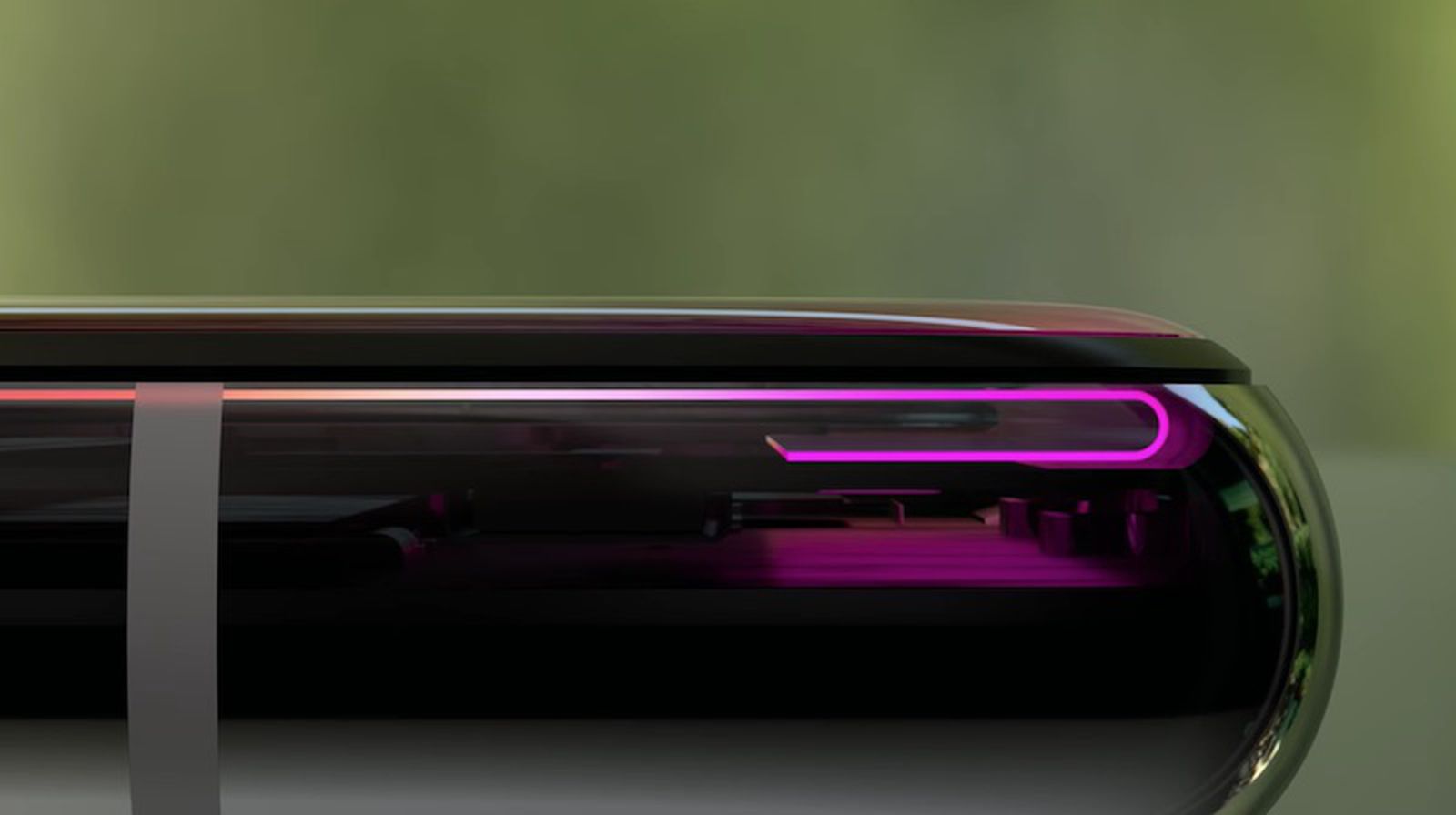
For the iPhone 18 Pro, the display upgrade on the table is a move to LTPO+ technology. This improved backplane allows finer control of OLED light emission, boosting battery efficiency compared to the standard LTPO used in the iPhone 17 Pro. Apple has reportedly finalized panel approvals with Samsung Display and LG Display, with China's BOE excluded due to quality and yield issues. However, LTPO+ does nothing to address peak brightness or the thermal throttling that limits sustained outdoor luminance—so don't expect a brighter screen from this change alone.
6. Dual-Layer OLED Would Solve Both Brightness and Heat
Dual-layer OLED attacks the problem from both angles. Because each emissive layer operates at lower intensity to achieve a given brightness target, the display generates less heat. This reduces the thermal pressure that causes Apple's current panels to throttle under sustained use. The M4 iPad Pro was the first Apple product to adopt this technology, and it delivers impressive sustained brightness. But Instant Digital's comments suggest iPhone customers will have to wait considerably longer—likely beyond 2028—before they can experience similar benefits.
In summary, while incremental improvements like LTPO+ are on the horizon, the real brightness revolution remains elusive. Apple's cautious thermal management strategy and the slow development of a simplified tandem OLED mean that anyone expecting a dramatically brighter iPhone Pro display in the next few years will need to temper their expectations. The technology exists, but the timeline is measured in years, not months.
Related Articles
- Rust 1.94.1: Key Fixes and Security Update – Q&A
- Safari Technology Preview 242: Key Updates and Enhancements
- React Native 0.82 Kills Legacy Architecture – Full Transition to New Framework Begins
- Q&A: Understanding the New apkeep 1.0.0 Release and Its Impact on Android App Research
- How to Automate ServiceNow Configuration with Platform Copilot: A Step-by-Step Guide
- GitHub Overhauls Status Page with New Incident Classification and Per-Service Uptime Metrics
- New cPanel Authentication Flaw Patched – Critical Update Advised
- Xteink Blocks Third-Party Firmware on Its Pocket-Sized E-Readers, Users Report