Louisiana Army Base Unveils $30 Million Geothermal System in Historic Energy Shift
Overview
Fort Polk, a U.S. Army base in Louisiana, has completed a landmark $30 million geothermal energy retrofit that cuts energy costs for 3,600 military homes by 30%. The project, finished in early March, is the first large-scale geothermal installation at a U.S. military base, using entirely American-made equipment.
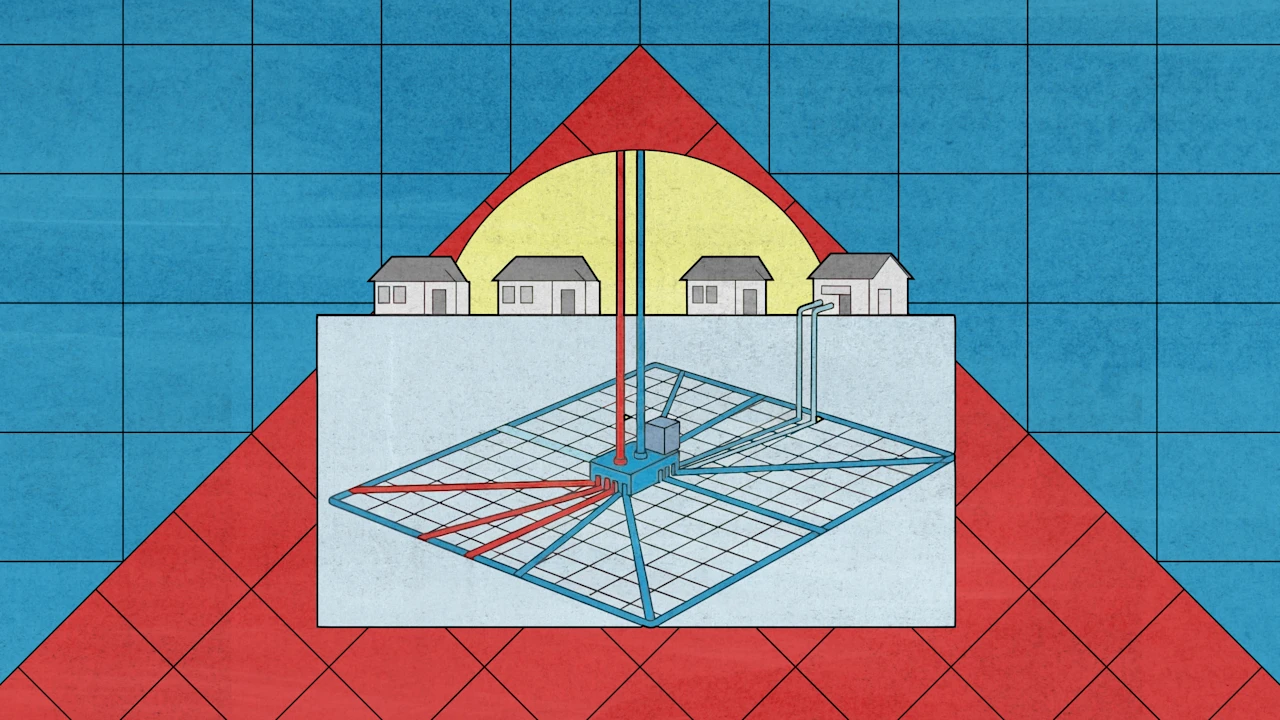
This investment directly reduces fossil fuel use for heating and delivers over $2.6 million in annual utility and operational savings, according to project contractor Ameresco. The upgrade also slashes the base's carbon footprint while improving living conditions for service members and their families.
Key Details
- Cost: $30 million
- Scope: 3,600 family housing units
- Savings: 30% energy bill reduction; $2.6M yearly
- Completion: March 2025
- Contractor: Ameresco (U.S. firm)
John Plack, Senior Vice President at Ameresco, said in a statement: “What they get out of it is a much more efficient system that responds to their needs a lot better. We’re directly eliminating fossil fuel for heating.”
Background
The Pentagon has long invested in sustainability, but under the current administration, such efforts are rebranded as “resiliency.” The 2025 National Security Strategy labeled climate change a “disastrous” ideology, and Defense Secretary Pete Hegseth stated, “The Defense Department is not in the business of climate change, solving the global thermostat. We’re in the business of deterring and winning wars.”
Despite this rhetoric, the military continues large-scale resiliency projects. Fort Polk’s geothermal system joins a list of initiatives that adapt bases to climate risks while cutting dependence on unstable energy supplies. Similar upgrades are underway at Tyndall Air Force Base in Florida, rebuilt after a 2018 hurricane caused $5 billion in damage.
Resilience at Tyndall AFB
Tyndall’s reconstruction features buildings elevated a foot above ground, roofs hardened to withstand 165-mph winds, and an offshore oyster reef to dampen waves. These measures, like Fort Polk’s geothermal system, exemplify a shift toward energy independence and structural hardening.
What This Means
Fort Polk’s project signals that military housing—historically poorly maintained—can be modernized efficiently. The geothermal system not only saves taxpayer money but also enhances comfort and reliability for troops and families. “It’s a much more efficient system that responds to their needs a lot better,” Plack emphasized.
By reducing reliance on fossil fuels and the grid, the base gains operational resilience. This model could be replicated across military installations, especially in regions with extreme weather. The project also boosted local employment, supporting the Louisiana workforce during construction.
In an era of shifting political priorities, Fort Polk’s geothermal retrofit proves that sustainability and military readiness can go hand in hand—just under a different name.
Related Articles
- How to Prevent Premature Task Completion in AI Agents Using Claude Code's /goals
- Understanding Vehicle-to-Grid Technology: How EVs Strengthen the Energy Grid
- Electric Fire Trucks Gain Traction but Fall Behind Buses, Garbage Trucks, and Drayage Fleets in EV Adoption Race
- Building a Semi-Autonomous Electric Material Handling System for Recycling Plants
- 7 Key Highlights from Flutter & Dart at Google Cloud Next 2026
- How to Navigate Tesla's Model Y Price Hike: A Buyer’s Roadmap
- Navigating Controversy: The IMO’s Quest for a Net-Zero Shipping Framework
- May 2026 Wallpapers: Fresh Views for a New Season – Your Questions Answered