Not Guilty on a Technicality: Why Musk's OpenAI Lawsuit Failed
A Win for OpenAI, But Not on the Merits
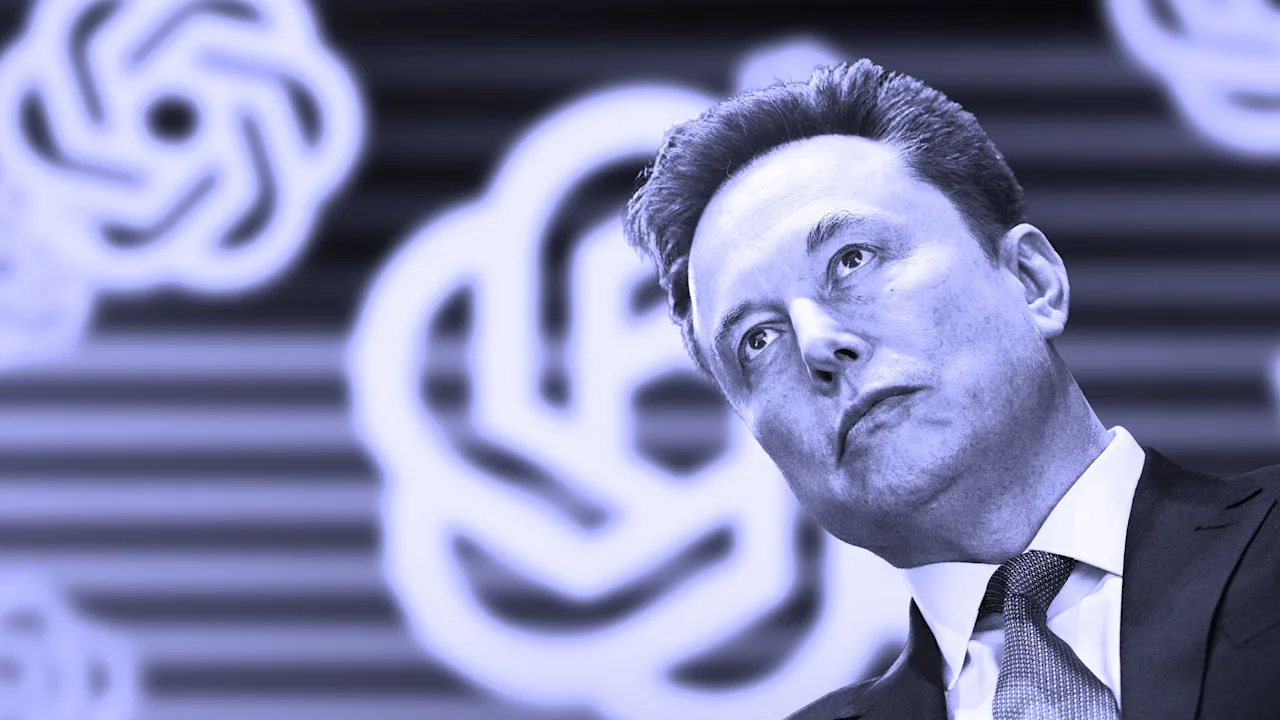
In a San Francisco federal courtroom, a jury deliberated for less than a day before tossing out Elon Musk's blockbuster lawsuit against OpenAI. The suit, which sought over $150 billion in damages, accused the company of stealing a charity by transitioning from a nonprofit AI lab to a for-profit enterprise. While many will interpret this as a resounding victory for OpenAI, the actual reasoning behind the ruling is more procedural than substantive. The case was not decided on the substance of Musk's allegations—whether OpenAI breached its founding mission or committed fraud—but on a legal technicality: the statute of limitations.
Behind Closed Doors: Revelations from the Trial
Despite the anticlimactic end, the three-week trial served up a treasure trove of insider stories about OpenAI's early days. Elon Musk and Sam Altman both testified, offering glimpses into the company's culture.
- Greg Brockman's billions: Co-founder Greg Brockman appears to have amassed roughly $30 billion from his OpenAI stake. An early journal entry even mused, "what will take me to $1B?"
- Safety clash: At a tense board meeting, Musk reportedly called employee David Achiam a "jackass" over safety concerns. As a joke, the staff later presented Achiam with a "Jackass for Safety" trophy.
- Safety team disbanded: Former employee Rosie Campbell testified that OpenAI's internal focus shifted away from safety toward profits, leading to the dismantling of dedicated safety teams.
- Fear of an AI dictator: Internal communications revealed Altman and his team worried that Musk, if he gained more control, could become an "AI dictator."
These revelations, while juicy, were overshadowed by the narrow grounds on which the case was decided.
Why Musk Lost: The Statute of Limitations
The jury's verdict came down to a single question: Did Musk file his lawsuit too late? The answer was yes. Most of the events Musk sued over—the shift to for-profit and his 2018 departure from the board—occurred years before he filed the suit in 2024. Under California law, claims for breach of fiduciary duty must be brought within a set timeframe, and the jury found that Musk missed the deadline.
Rather than addressing whether OpenAI's transformation was illegal, the trial became a debate about deadlines. Musk's legal team argued that the clock should start from when he discovered new evidence, but the jury disagreed. The decision leaves the larger questions—whether Altman should remain CEO, whether OpenAI should keep its for-profit status, and whether the company can proceed with what is expected to be the world's largest IPO—completely untouched.
What This Means for OpenAI's Future
The ruling is a clear win for OpenAI in the short term, but it does little to resolve the company's underlying tensions. The lawsuit may have been dismissed, but the issues Musk raised—profit motives superseding safety, potential conflicts of interest, and the transformation of a nonprofit into a multi-billion-dollar enterprise—remain alive in public discourse. Appeals are possible, but legal experts note that overturning a jury's factual finding on the statute of limitations is notoriously difficult.
As OpenAI pushes forward with its massive valuation and potential IPO, the court of public opinion may still hold the company accountable for the same questions Musk tried to litigate. The trial's juicy revelations ensure that the debate over AI governance, safety, and corporate structure is far from over.
Related Articles
- ExpressVPN 28-Month Deal: Save Big with 82% Off and 4 Free Months
- The Legal Battle Between Elon Musk and Sam Altman Intensifies
- OpenAI Lawsuit Intensifies: Musk's Courtroom Testimony Reveals Bitter Founders Feud
- Model Context Protocol Goes Open-Source Under Linux Foundation, Enabling Secure Remote AI Agent Connectivity
- The Bitcoin Community's Role in Distributing a Censored Documentary: Dorsey and Jarecki Weigh In
- OpenAI and Apple Partnership in Jeopardy: Legal Action Looming Over Alleged Contract Breach
- How to Build a Defense-in-Depth Security Architecture in Azure IaaS
- Amazon Expands Price History Tool to Full Year Amid Antitrust Lawsuit Allegations